
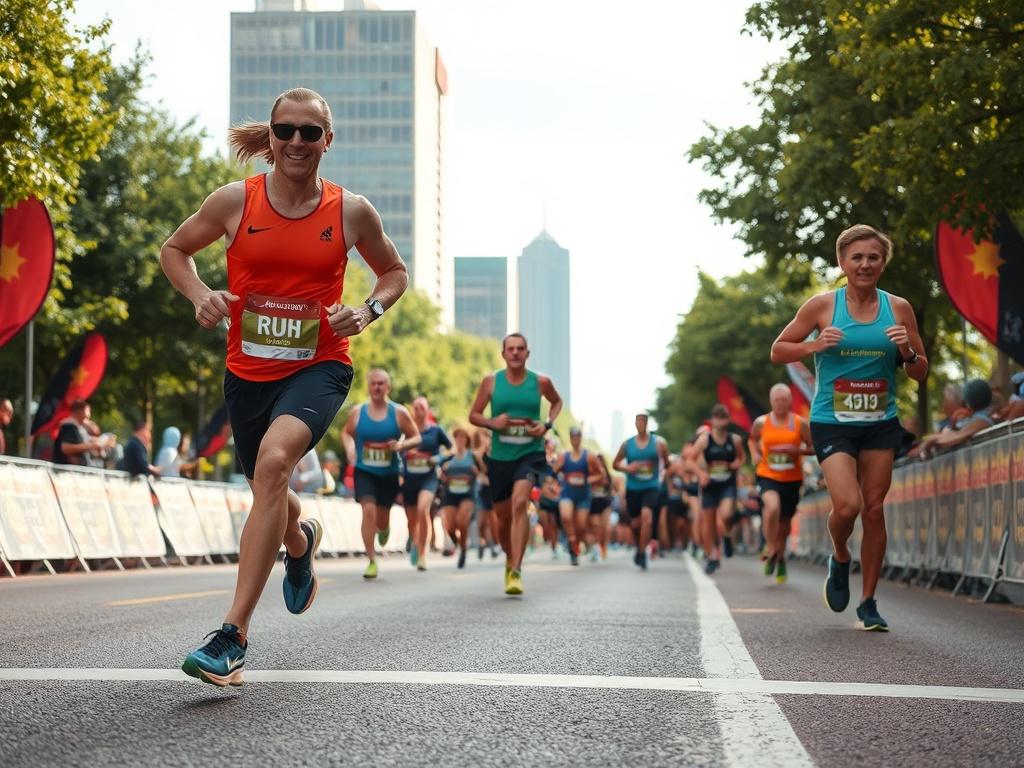
If you’ve ever watched a marathon and felt a spark ignite in your chest, you’re not alone. The miles ahead can seem intimidating, but the process of getting there is where the story unfolds—the long runs, the careful fueling, the tiny wins that add up to one big finish line. This guide is about more than just clocking a finish time. It’s about building a plan that respects your body, your schedule, and your ambitions, while keeping the joy and curiosity that drew you to long-distance running in the first place. Whether you’re aiming for a personal best or simply determined to cross the finish line, the journey matters every step of the way.
Understanding the marathon mindset
Marathons demand a different kind of patience than shorter races. They reward consistency, not intensity in isolation. That means showing up on days when you’d rather sleep in, and trusting a plan that slowly compounds your endurance. The mindset you bring to training can matter as much as your weekly mileage, because resilience is built in the quiet hours: the early morning run, the long weekend loop, the choice to prioritize recovery over bravado after a tough workout.
Begin with a clear, realistic goal. Some runners chase a specific finish time, while others aim to complete every mile with good form and steady cadence. Neither approach is inherently superior; what matters is honesty about your current abilities and a plan that respects your life outside running. It’s easy to treat a marathon as a punishment for past laziness, but the healthier stance is to view it as a reward for careful preparation and mindful persistence.
One practical habit is to separate your race goal from your daily identity. Instead of “I am a marathoner,” think “I am someone who shows up for training and learns from each run.” Small daily commitments—7 miles on a Wednesday, a 20-minute mobility routine after work, or a 30-minute easy run with strides—become the scaffolding that supports your bigger objective. This shift helps you weather typical setbacks, like a missed week or a slightly slower long run, without spiraling into self-critique.
Crafting a sustainable training plan
A marathon plan is a blueprint, not a cage. It should guide you, not confine you. Most successful plans blend four core workout types: easy runs to build base, long runs to extend endurance, tempo runs to improve sustained effort, and speed work to sharpen efficiency. The balance is personal—some athletes crave more volume, others rely on quality sessions to spark gains while protecting joints and energy stores. The key is progressive loading: small, consistent increases that your body has a chance to absorb.
During base-building phases, the emphasis is on consistency and staying injury-free. Easy runs should feel comfortable, allowing you to converse in full sentences. As you shift into building and peak phases, you’ll sprinkle in tempo runs—where you push at a controlled, still-conversational pace—and interval sessions that push your VO2 max. Finally, the taper period gives your body a chance to recover and refuel, so you arrive at the start line fresh and confident. Remember: big gains come from deliberate, cumulative effort, not last-minute bursts of intensity.
Here’s a compact look at how phases typically stack up over a marathon buildup. This is a generic template; tailor it to your weekly realities, especially if you work long shifts, have family commitments, or train with a partner who runs at a different pace.
| Phase | Focus | Weekly mileage | Key workouts |
|---|---|---|---|
| Base | Endurance, consistency | 20–35 miles | Long, easy runs; easy weekday runs |
| Build | Stamina, form | 30–45 miles | Tempo runs; progressive long runs |
| Peak | Race-specific preparation | 40–50 miles | Long runs near race pace; intervals |
| Taper | Recovery, freshness | 20–30 miles | Reduced volume; sharpened speed sessions |
When you design your plan, build in flexibility. Life will interrupt training—travel, illness, or family obligations are realities. A good plan includes spare days and alternative workouts that preserve your progress without causing frustration. If you miss a week, don’t panic. A single hiccup won’t erase weeks of steady work. The trick is to resume with intention, not guilt, and to keep the long view in sight.
Nutrition and fueling for endurance
Endurance running is as much about fueling as it is about miles. Your body relies on carbohydrates for the steady energy that carries you through long efforts, but hydration and electrolytes play equally vital roles, especially in warmer climates or on longer races. The aim is to keep blood sugar stable, prevent muscle cramps, and avoid energy slumps that derail your cadence mid-race.
Before training runs, focus on balanced meals that combine carbohydrates with a modest amount of protein and healthy fats. A typical pre-run fueling window ranges from 1 to 3 hours before you start, depending on what sits well in your stomach. If you’re headed out for a very long run, a light snack 30–60 minutes beforehand can help, but you don’t want to feel heavy or bloated as you begin.
During long efforts, plan to consume calories at a rate that suits your digestion and pace. Most runners benefit from 30–60 grams of carbohydrate per hour after the first 60 minutes of running, with a mix of energy gels, chews, or sports drinks. Practice your fueling strategy on easy runs so you know what your stomach tolerates on race day. Hydration is the other critical pillar: sip consistently, not gulp at the water station, and consider electrolyte packets on hot days or late-stage races.
Post-run recovery matters just as much as fueling during. Within 30–60 minutes of finishing, combine a small amount of carbohydrates with protein to jump-start muscle repair. A simple smoothie with fruit, yogurt, and a scoop of protein powder, plus a balanced meal later in the day, helps replenish glycogen stores and supports adaptation. Consistency here compounds with training, turning efforts into tangible gains over weeks and months.
Injury prevention and recovery
The phrase “run through pain” has no place in marathon training. Injury prevention hinges on listening to your body, respecting rest days, and building strength that supports repetitive loads. Mobility work, especially for hips, ankles, and thoracic spine, can improve gait efficiency and reduce compensatory strain. A routine of 10–15 minutes after runs—dynamic warm-ups before, gentle stretching or mobility work after—can yield noticeable improvements over time.
Cross-training is your ally. Cycling, swimming, or elliptical sessions offer cardiovascular benefits with less impact than running. They preserve aerobic fitness when you need rest from pounding the roads, and they can be particularly helpful during injury recovery. Strength work—emphasizing glutes, hamstrings, calves, and the core—fortifies the legs against the repetitive stresses of long distances. Three short strength sessions per week can be enough to deliver meaningful gains without stealing energy from running.
Sleep is non-negotiable for marathon preparation. It is when your body repairs and consolidates motor patterns learned during training. If you’re tempted to cut back on sleep for one more workout, you’re probably sacrificing performance in the long run. Pair solid sleep with smart nutrition and you’ll notice higher quality sessions, quicker recoveries, and a reduced risk of overuse injuries.
Gear and race-day essentials
Gear choices don’t run the race for you, but they can make or break the experience. Start with shoes that match your gait and offer a comfortable ride—ideally purchased after a few weeks of wear, not on the eve of a race. Rotate a couple of pairs if you train at high mileage, giving each pair time to recover between sessions. Socks matter, too: moisture-wicking fabrics and a snug fit reduce blister risk during long efforts.
Beyond footwear, consider a race belt to carry essentials like gels, keys, and a phone. Clothing should be seasonally appropriate, with moisture-wicking fabrics and a plan for temperature shifts during the race. If you’re racing in a place with changing weather, layer thoughtfully and practice your on-course adjustments in training so you won’t feel surprised on race day.
Equipment safety is worth a glance. A reliable watch or running app helps you monitor pace and miles, but avoid becoming a slave to the numbers in a way that steals your focus from the moment. In the days before the race, lay out your kit and test every item so you’re not scrambling with last-minute decisions. A calm, prepared approach reduces stress and keeps you in the moment when the starter’s pistol fires.
Race-day strategy: pacing, nutrition, and mindset
Pacing is the backbone of a successful marathon. The plan you set before the start should reflect your training, your race-day conditions, and your comfort with risk. Some runners do even pacing, holding a steady effort from start to finish; others prefer a negative split approach, where the second half is faster than the first. Practice both strategies in training so you’re not guessing when your legs feel heavy on race day.
Nutrition on race day is a dance between timing, urgency, and tolerance. Start with a well-primed digestion, taking in a small amount of calories early in the race to prevent a crash later on. If you’ve practiced a particular fueling schedule during long runs, trust it. Sudden changes in diet on race day can disrupt your stomach and derail your rhythm, even if the pace is within your planned range.
Mindset during a marathon is a story you write mile by mile. When doubt intrudes, anchor yourself to the present moment—the feel of your footstrike, the rhythm of your breath, the people cheering along the course. Break the race into manageable chunks: the first 10K, the middle 10K, the final push to the finish. Celebrate small milestones along the way, and remind yourself that finishing with a clean form and a steady effort is a victory in itself.
Interpreting the Russian phrase Марафонский бег: подготовка и участие in this context can remind readers that preparation and participation are cross-cultural constants in long-distance running. The core ideas—plan carefully, show up day after day, and respect the process—translate beautifully across languages and communities.
Learning from others: stories, community, and accountability
Training with others often yields its own momentum. A running partner can push you on hard days and provide accountability when motivation is scarce. If you don’t have a local group, online communities, virtual challenges, and coach-led programs can create a sense of belonging. The shared language of miles logged and workouts completed can turn solitary training into a source of motivation and continuity.
Clubs and organized groups offer more than company—they provide access to coaching wisdom, structured workouts, and practical tips from runners who’ve been there. You’ll learn about pacing strategies, fueling quirks, and how to handle weather, crowds, and race-day nerves. Even if you’re naturally independent, giving yourself a training community can broaden your perspective and spark new ideas for your routine.
Real stories from runners across backgrounds illustrate what’s possible with steady effort. One athlete rebuilt after an injury by embracing cross-training and a gradual reintroduction to longer runs, discovering a rhythm that felt sustainable rather than punitive. Another athlete used a race-day plan that emphasized finishing with emotion intact—aligning goals with values and leaving the start line with a smile rather than a scorch of adrenaline and fatigue.
Common mistakes and how to fix them
Many marathon beginners fall into the trap of overloading too soon, chasing big weekly mileage without giving the body time to adapt. The result is fatigue, minor injuries, and a sense of burnout. The fix is simple in concept: reduce volume, increase quality, and build gradually. Listen to your body and know when to dial back. Recovery days are not optional; they are training days with a different purpose.
Another frequent error is ignoring fueling and hydration until race week. You want a plan that you’ve tested in training, not a guess you’ll figure out on race day. Practice your nutrition strategy on long runs, refining the timing and types of calories that work for you. A well-practiced fueling routine eliminates one of the most common reasons runners “hit the wall.”
Gear decisions can sabotage progress if left to chance. Avoid breaking in new shoes or testing uncomfortable garments on race week. Your best approach is to invest in gear during training, giving yourself ample time for adjustments. Marginal gains—whether it’s a slightly lighter shoe or a different sock—are cumulative, especially when miles start to accumulate in the late stages of a marathon.
Real-life experiences and practical stories
I’ve learned more from bad days than perfect race mornings. I once underestimated how a heat wave could derail a milestone long run, ending with a slow pace and a stubborn sense of discouragement. The lesson wasn’t about toughness but about humility: adjust fueling, hydrate earlier, and accept that conditions demand a slightly different plan. The following weekend I returned to the same course, executed the adjusted plan, and finished with a sense of control that felt earned rather than forced.
Another memory comes from a runner who trained with a partner who suffered a minor injury and couldn’t run for several weeks. Instead of stepping away completely, they turned to cross-training and mobility work, preserving aerobic fitness and keeping routines intact. When they returned to running, they found their form was improved, not damaged, by the careful, patient approach. It’s a reminder that resilience often looks like flexibility, not rigidity.
Finally, I’ve spoken with marathoners who discovered that the finish line is only part of the story. The community around the race—the volunteers, the cheering groups, the selfies at mile markers—becomes part of what you carry forward. The post-race gratitude and the sense of belonging stay with you long after the medal shines in the sunlight. That social thread is as essential as any training metric you track.
Putting it all together: your ongoing journey
A marathon is a moment in time, but the preparation is a lifelong project. If you treat the race as a culmination rather than a checkpoint, you’ll miss the opportunity to grow in meaningful ways. Your ongoing journey can include incorporating regular strength sessions, refining a nourishment plan that feels trustworthy, and continuing to run with curiosity rather than with a single finish-time target in mind. The sport rewards long horizons and honest self-assessment, not flash-in-the-pan enthusiasm.
Ask yourself practical questions as you move forward: What type of runs do I enjoy most, and how can I build those into a weekly rhythm? When did I last test a fueling strategy, and did it feel smooth or did it cause GI distress? How can I balance life, work, and training so that the habit sticks for months and years, not weeks? The most enduring athletes are those who cultivate steady patterns, embrace setbacks as learning moments, and keep returning to the practice with fresh curiosity and renewed energy.
If you’ve reached this point, you’re likely entering or already in the middle of a journey that will shape not just how you run, but how you approach challenges in other areas of life. A marathon is more than distance; it’s a test of patience, preparation, and perseverance. With the right plan, the right support, and a reasonable dose of self-compassion, you’ll find yourself not only crossing the finish line but also discovering what you’re capable of becoming along the way.
For readers who connect with the Russian phrase Марафонский бег: подготовка и участие, the core idea remains consistent: preparation and participation are the heart of long-distance running. Across languages, the discipline of training, the courage to start, and the resilience to endure the miles are universal badges earned one day at a time.
May your miles be steady, your form relaxed, and your finish line sweet. The path is yours to chart, and every step you take brings you closer to understanding what you truly value in endurance—not just speed or time, but the quiet confidence that comes from doing hard things well, again and again.